Swim
Exploring Swimwear Stitch Types: What Keeps Your Swimwear Stylish and Secure
Robin Blixt · October 30, 2024
Back to journal
Have you ever wondered why some swimsuits feel more comfortable or last longer than others? One key factor is how they’re stitched! Different types of stitches are used to create swimwear, each offering its own benefits in terms of comfort, durability, and style. Stitching in swimwear production isn’t just about holding fabric together; it’s about ensuring longevity and performance. Whether you’re designing, manufacturing, or retailing swimwear, understanding the different stitch types can help you deliver products that not only look great but also perform exceptionally well.
Types of Swimwear Stitching
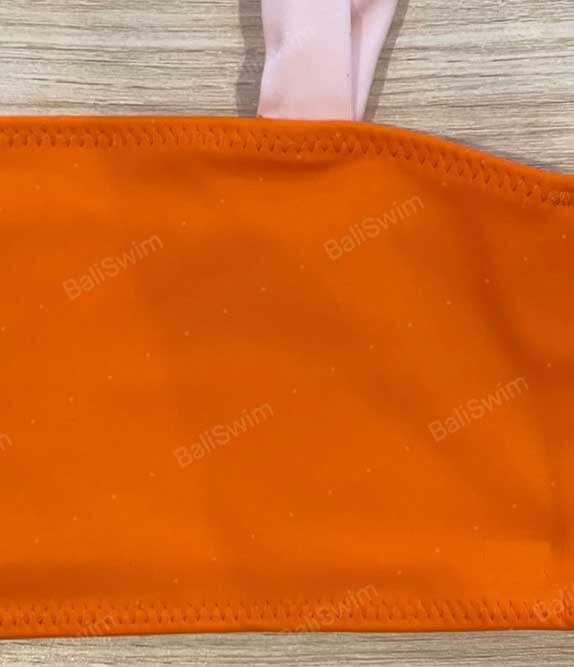
Zigzag
The zigzag stitch is a flexible, stretchy stitch that moves with the fabric, making it perfect for swimwear that needs to accommodate body movement. This stitch is often used on seams or to finish edges.
- Why it matters:
- Pros:
- Cons:
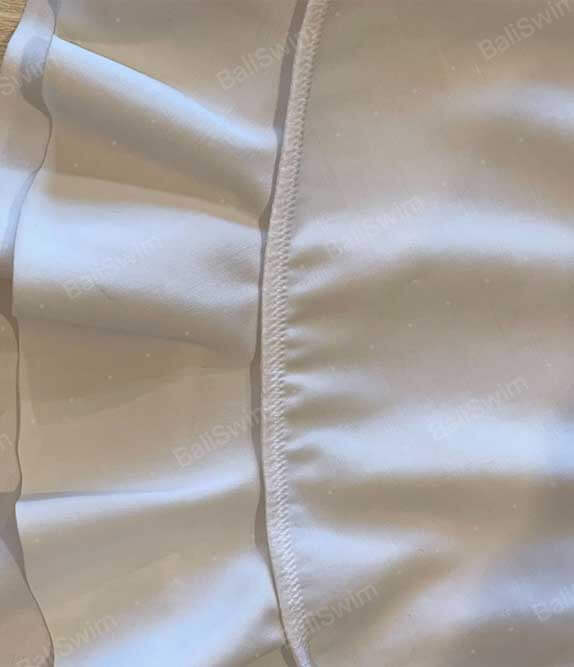
Overlock
The overlock stitch is used to sew the edges of the fabric together and prevent fraying. It’s commonly found in the inner seams of swimwear, joining fabric pieces together.
- Why it matters:
- Pros:
- Cons:
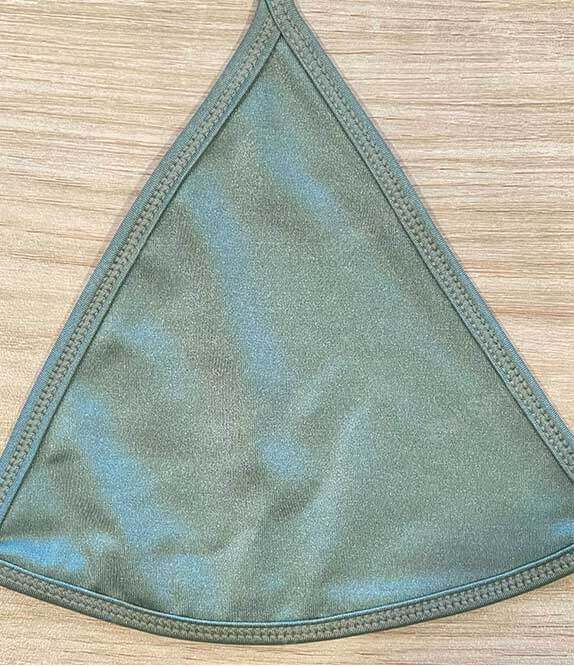
Coverstitch
The coverstitch is often used to hem swimwear and create stretchable seams. This stitch is applied on top of the fabric to secure edges and provide a polished finish.
- Why it matters:
- Pros:
- Cons:
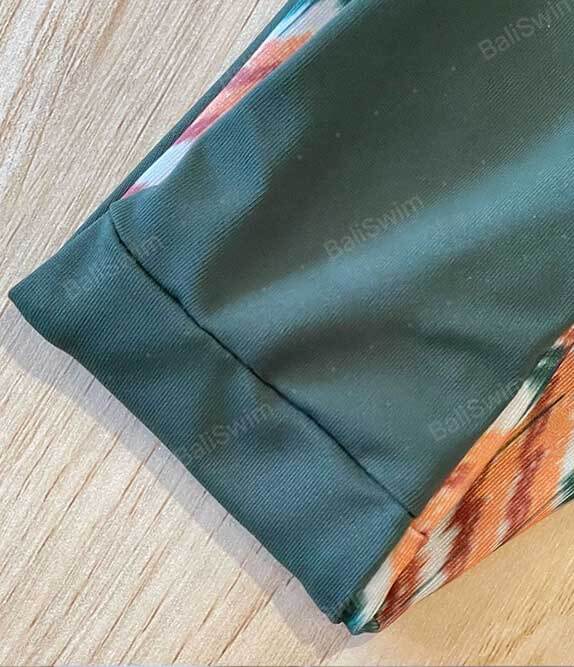
Seamless
Seamless stitching is a technique where the fabric is bonded together without visible seams, offering a smooth, clean look and enhanced comfort. This method eliminates bulky stitches, making the garment feel more comfortable against the skin. It’s commonly used in premium swimwear collections for its sleek and modern appearance.
- Pros
- Cons
Example
Why Stitching Matters in Swimwear
Durability and Performance
Choosing the right stitch type can significantly impact the durability and performance of swimwear. High-quality stitching ensures the garment can withstand frequent use and exposure to chlorine and saltwater.
Comfort and Fit
Stitching affects the comfort and fit of swimwear. Techniques like flatlock stitching minimize skin irritation, while zigzag stitching allows for greater flexibility, enhancing overall comfort.
Aesthetic Appeal
Stitching contributes to the overall aesthetic of swimwear. Clean, precise stitches create a polished look that appeals to customers looking for both style and performance.
Cost Considerations
Selecting the appropriate swimwear stitch type involves evaluating both the initial investment and the long-term benefits. Here’s a closer look at the financial aspects:
Production Costs
- Time Efficiency
- Waste Reduction
Long-term Benefits
- Reduced Returns and Complaints
- Customer Loyalty and Premium Pricing
- Brand Reputation
Trends and Innovations
Sustainable Practices
Sustainability
Technological Advances
Advancements in stitching technology are enhancing precision and efficiency. Modern machines offer programmable stitching patterns and automated quality control, ensuring consistency and innovation in swimwear design
Conclusion
Stitching is a fundamental element in creating high-quality swimwear that meets both aesthetic and performance standards. By understanding the various stitch types and their applications, swimwear professionals can elevate their products and meet the evolving demands of the market.
Always,
Your Bali Swim team